
WHAPUNG FILMS
Whapung Films is an ongoing film heritage project dedicated to the rediscovery, preservation and restoration of rare Korean films, with a particular focus on works associated with filmmaker and producer Chung Chang-wha, one of the most important Korean directors to have developed a career across both Korean and Hong Kong cinema.
The project grew out of my long-standing interest in Korean film history and my relationship with Chung Chang-wha, whose career provides a fascinating link between different periods and industries of Asian cinema. While internationally he remains best known for directing the Shaw Brothers martial arts classic King Boxer / Five Fingers of Death (1972), his career extends far beyond that single film and encompasses decades of filmmaking, production and collaboration between Korea and Hong Kong.
Whapung Films aims to explore and preserve part of that lesser-known history by identifying films whose original elements still survive but which have often remained difficult or impossible to see for decades.
The project involves several interconnected stages: locating surviving film materials, identifying rights holders, researching different versions and sources, coordinating film scans and restoration work, preparing subtitles and documentation, and ultimately developing opportunities for the films to reach international audiences again.
A major part of this work is being carried out in collaboration with the Korean Film Archive (KOFA), where surviving original film elements are preserved. Working directly from these materials makes it possible not only to rediscover films in significantly better quality, but also to assess their physical condition and determine the restoration work required for their preservation and future presentation.
The first phase of the project includes films from different periods of Korean cinema, among them The Swamp of the Firebird (1983), Shaolin Bridal Room (1982), A College Woman’s Confession (1979), Colorful Woman (1980) and Riding the Moonlight (1985). Their rediscovery involves different challenges, from damaged or incomplete film elements to missing material, translation and subtitling, and the reconstruction of films that have had little or no international circulation.
Rather than treating these films simply as catalogue titles, my objective with Whapung Films is to reconstruct the history surrounding them: the people who made them, the circumstances of their production, their place within Korean popular cinema and the connections they reveal between different generations of Asian filmmakers.
The long-term ambition is to make these works accessible again through restored editions, screenings and international distribution, while creating new contextual and documentary material that can accompany their rediscovery.
Whapung Films is therefore both a restoration project and an evolving archival investigation. As work progresses, this page will document new scans and restorations, archival discoveries, recovered materials, screenings, releases and other developments connected with the collection.
LATEST UPDATES
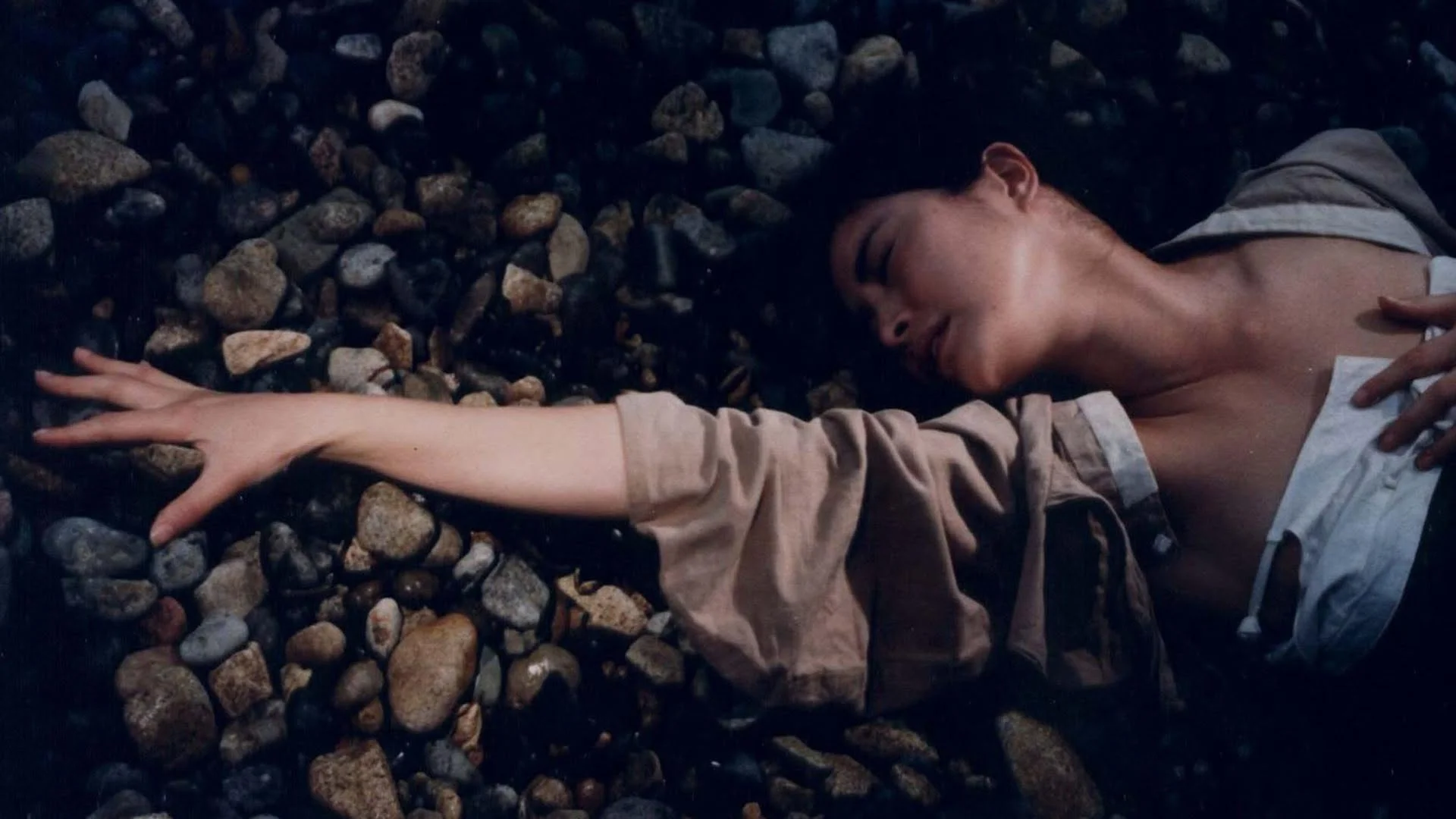
Whapung Films – Rediscovering a Lost Era of Korean Cinema
Thirteen rarely seen Korean films. A forgotten chapter of Korean cinema. Discover the story behind the Whapung Films project and the ongoing restoration of works produced by legendary filmmaker Chung Chang-wha between 1979 and 1985.